

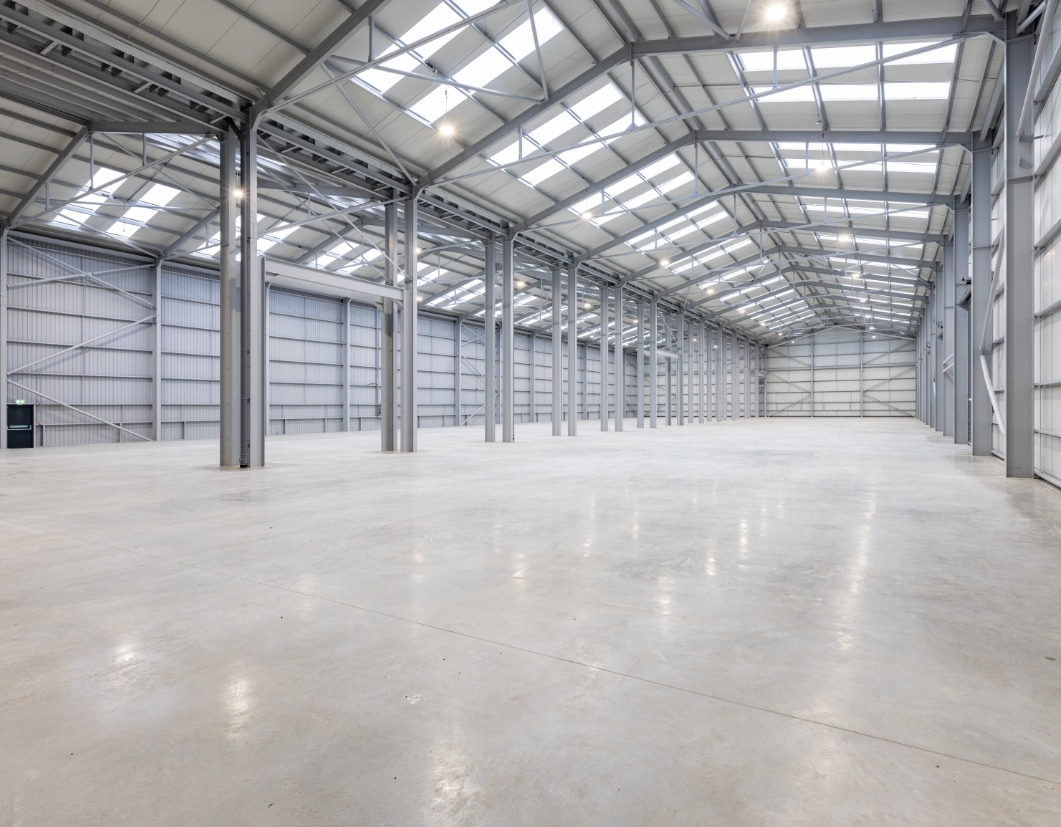
Industrial refurbishments are complex undertakings that require careful planning and execution to succeed. When managed effectively, these projects can revitalise ageing facilities, improve operational output, and ensure compliance with modern standards. The goal is always to complete the work on time and within budget, minimising disruption to daily operations.
A structured approach is fundamental to achieving efficiency. This begins with a detailed project scope that outlines every aspect of the refurbishment, from structural changes to system upgrades. For specialised tasks, such as commercial roofing Perth based businesses might require, engaging experienced contractors early in the planning phase can prevent costly delays and ensure high-quality outcomes. A clear plan provides a roadmap for all stakeholders, setting realistic expectations from the outset.
Effective project management is the engine that drives a streamlined refurbishment. This involves coordinating various teams, managing timelines, and overseeing budgets. Using project management software can help track progress and facilitate communication between contractors, suppliers, and the internal team. Proper coordination ensures that different stages of the project, like electrical work and interior fit-outs, proceed in a logical sequence without creating bottlenecks.
The Role of Staged Implementation
For many industrial facilities, a complete shutdown for refurbishment is not feasible. A staged implementation strategy allows operations to continue while sections of the site are upgraded sequentially. This method requires meticulous planning to isolate work areas safely and manage the flow of people and materials without interrupting production.
Dividing the project into manageable phases reduces the overall complexity. Each stage can be completed and reviewed before moving to the next, allowing for adjustments along the way. This phased approach also helps with cash flow management, as costs are spread over the duration of the project rather than being incurred all at once. It’s a practical solution for maintaining business continuity during extensive upgrades.
Leveraging Technology and Modern Methods
Adopting new technologies and construction methods can significantly enhance the efficiency of a refurbishment. Prefabricated components, for example, can be manufactured off-site and installed quickly, reducing on-site labour time and waste. Similarly, advanced building materials can offer better durability and performance, lowering long-term maintenance costs.
Modernisation is not just about physical structures; it also applies to building systems. Upgrading to energy-efficient HVAC, lighting, and insulation can lead to substantial operational savings. Conducting a thorough assessment of existing systems will identify opportunities for improvement that deliver both immediate and long-term value.
Ultimately, a well-executed industrial refurbishment balances speed, cost, and quality. By focusing on detailed planning, effective project management, and the adoption of modern techniques, Australian businesses can transform their facilities with minimal disruption and maximum return on investment.
