

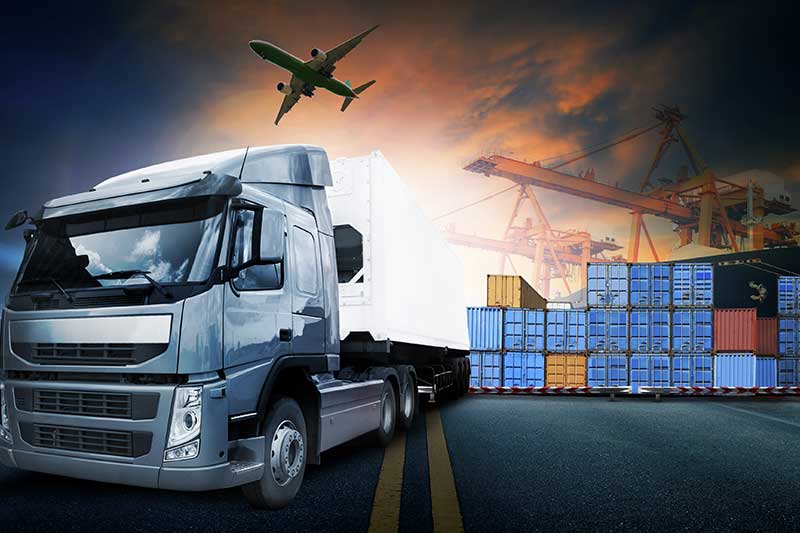
Freight transport services are the backbone of domestic trade, ensuring that goods are moved efficiently from producers to consumers. Whether supporting small businesses or facilitating large-scale industrial operations, domestic freight services provide critical infrastructure for economic growth. This article delves into the various aspects of freight transport services in domestic markets, offering a comprehensive understanding of their operations and impact.
1. The Core Functions of Domestic Freight Transport
Domestic freight transport services are designed to move goods within a country’s borders. These services encompass various modes, including road, rail, air, and waterways, each chosen based on factors such as cost, urgency, and the nature of the cargo.
- Road Freight: The most widely used mode for domestic transport, road freight offers flexibility and access to even the most remote areas. It is ideal for short to medium distances and provides door-to-door delivery options.
- Rail Freight: Known for its efficiency in moving large volumes of goods, rail freight is a cost-effective choice for heavy or bulky shipments.
- Air Freight: While costlier, air freight is chosen for high-value or time-sensitive goods, ensuring rapid delivery.
- Inland Waterways: Where geography permits, inland waterways offer an economical and environmentally friendly option for transporting large quantities of goods.
Each mode has its strengths, and often, freight companies employ a multimodal approach to optimize costs and delivery times.
2. Key Players in Domestic Freight Services
The domestic freight ecosystem involves various stakeholders working together to ensure smooth operations. These include:
- Shippers: The businesses or individuals sending the goods.
- Carriers: The companies responsible for transporting the goods, such as trucking firms or rail operators.
- Freight Forwarders: Acting as intermediaries, forwarders manage logistics and arrange for the most efficient transport solutions.
- Third-Party Logistics Providers (3PLs): Offering comprehensive supply chain solutions, 3PLs handle everything from warehousing to last-mile delivery.
Understanding the roles of these players helps businesses choose the right partners for their transportation needs. It can also be useful to work with Your Trucking Accountant to keep freight costs, fuel spending, invoices and wider transport finances organised as the business grows.
3. Factors Influencing Domestic Freight Costs
Several variables impact the pricing of freight transport services in domestic markets:
- Distance: Longer routes naturally incur higher costs due to increased fuel consumption and labor hours.
- Cargo Weight and Volume: Heavier or bulkier goods require more resources to transport, influencing pricing structures.
- Mode of Transport: Air freight typically costs more than road or rail due to the speed and infrastructure involved.
- Fuel Prices: Fluctuating fuel costs directly affect transportation rates, as carriers adjust pricing to reflect market conditions.
- Delivery Speed: Expedited shipping services command a premium due to the need for prioritized handling and faster transit times.
By analyzing these factors, businesses can plan their logistics budgets effectively and explore cost-saving opportunities.
4. The Importance of Route Optimization in Domestic Freight
Efficient routing is a cornerstone of effective freight transport. Route optimization involves determining the best possible paths for cargo movement, reducing transit times, fuel usage, and operational costs.
Advanced technologies such as GPS tracking and predictive analytics have transformed this process, enabling carriers to adapt to traffic conditions, weather changes, or road closures in real-time. Freight companies that invest in these tools not only improve efficiency but also enhance customer satisfaction by ensuring timely deliveries.
5. Leveraging Technology for Operational Excellence
Technology plays a pivotal role in modern domestic freight services, streamlining operations and enhancing transparency.
- Transportation Management Systems (TMS): These platforms centralize logistics planning, execution, and tracking, making it easier to manage complex supply chains.
- IoT Devices: Internet of Things (IoT) devices provide real-time data on vehicle performance, cargo conditions, and more, ensuring goods are transported safely.
- Blockchain Technology: By securing and sharing transaction records, blockchain enhances trust and collaboration among stakeholders.
- Artificial Intelligence (AI): AI-driven tools offer insights into demand forecasting, pricing strategies, and risk assessment, helping businesses make informed decisions.
These innovations are reshaping the domestic freight landscape, offering unparalleled efficiency and reliability.
6. Challenges in Domestic Freight Transport
Despite its importance, domestic freight transport faces several challenges that require careful management:
- Infrastructure Constraints: Poor road conditions, limited rail networks, or congested urban areas can hinder efficiency.
- Regulatory Compliance: Adhering to state or local transportation laws adds complexity to operations.
- Labor Shortages: The availability of skilled drivers and logistics personnel affects service quality and capacity.
- Environmental Impact: Reducing emissions and adopting sustainable practices remain significant concerns for the industry.
Addressing these challenges demands collaboration among policymakers, industry leaders, and technology providers to create resilient and adaptable freight networks.
7. Sustainability in Domestic Freight Transport
The growing emphasis on sustainability has prompted freight companies to adopt eco-friendly practices. This includes:
- Investing in Electric Vehicles (EVs): EVs reduce dependence on fossil fuels, lowering the carbon footprint of road freight.
- Optimizing Load Capacity: Ensuring vehicles are fully loaded minimizes fuel consumption per unit of cargo transported.
- Switching to Alternative Fuels: Biofuels and other renewable energy sources are increasingly being integrated into operations.
- Digitizing Processes: Paperless transactions and automated workflows reduce waste and improve efficiency.
These measures not only benefit the environment but also resonate with customers who value sustainable business practices.
8. The Role of Customer Expectations in Shaping Services
Customer expectations are evolving, with businesses and individuals seeking greater transparency, faster delivery, and tailored solutions. Domestic freight providers are responding by enhancing their service offerings:
- Real-Time Tracking: Providing customers with live updates on their shipments builds trust and ensures accountability.
- Flexible Delivery Options: Offering multiple delivery windows or rerouting options accommodates diverse customer needs.
- Proactive Communication: Addressing delays or issues promptly fosters positive relationships and long-term loyalty.
By aligning their services with customer expectations, freight companies can achieve competitive differentiation and sustained growth.
Through efficient operations, technological integration, and a commitment to sustainability, domestic freight transport services continue to play a vital role in connecting businesses and consumers while adapting to the evolving demands of the market.
